UAE E-Invoicing guidelines explained in a global context. Discover compliance requirements, implementation strategies, CTC trends, and future-ready digital trade frameworks in the UAE.
The UAE E-Invoicing guidelines are shaping the future of digital trade, tax compliance, and business automation across the Middle East. As the United Arab Emirates strengthens its position as a global business hub, the shift toward structured electronic invoicing aligns with international Continuous Transaction Control (CTC) models and global VAT digitization trends.
Businesses operating in the UAE must now view e-invoicing not as a simple IT upgrade, but as a strategic transformation toward Integrated Digital Trade. This article provides an authoritative, globally contextualized roadmap to help organizations implement and scale UAE E-Invoicing compliance successfully.
From Paper to Platform: UAE’s Digital Invoicing Evolution
The United Arab Emirates is following a global movement toward mandatory electronic invoicing and real-time tax reporting. Countries such as Italy, Mexico, and Saudi Arabia have already implemented CTC models. The UAE’s Federal Tax Authority (FTA) is progressively building a structured digital tax ecosystem aligned with OECD and G20 digital compliance standards.
Unlike traditional VAT reporting systems, modern e-invoicing frameworks:
- Enable structured digital data exchange
- Allow real-time or near-real-time tax authority validation
- Improve fraud detection and compliance accuracy
- Reduce administrative burdens for businesses
The UAE approach is expected to mirror international best practices while ensuring compatibility with global trade networks.
Holistic Assessment Before Implementing UAE E-Invoicing
Successful adoption of UAE E-Invoicing guidelines begins with a comprehensive internal assessment across three key pillars:
- Internal organizational and technical landscape
- Digital collaboration with trading partners
- Regulatory compliance requirements
Let’s explore each in detail.
Assessing Your Internal Organizational and Technical Landscape
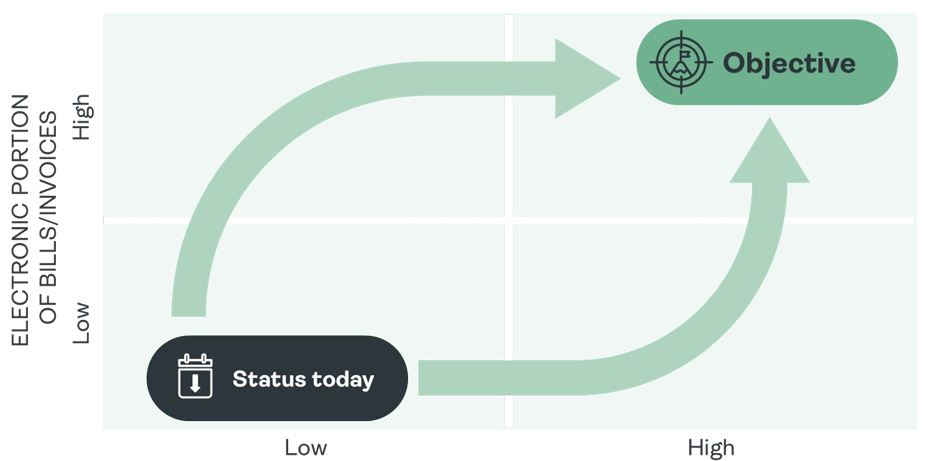
Image0 – Optimisation steps in large organisations
Large enterprises in the UAE often operate across multiple jurisdictions, with complex ERP ecosystems and decentralized invoicing processes.
Common Challenges Observed in UAE Organizations
- Multiple ERP systems across subsidiaries
- Decentralized invoice issuance and receipt
- Paper-based legacy workflows
- Lack of invoice visibility and reporting transparency
- Fragmented long-term archiving solutions
- Parallel initiatives across departments (tax, IT, procurement)
Historically, many companies implemented partial e-invoicing solutions without long-term digital strategies. As new mandates emerge, these fragmented infrastructures become unsustainable
Why Fragmentation Is Risky in the UAE Context
With the UAE strengthening VAT controls, businesses must handle:
- Real-time validation requirements
- Standardized invoice formats
- Accredited service provider usage
- Secure archiving obligations
Multinational companies often use multiple e-invoicing providers globally. Without consolidation, this results in:
- Increased compliance risk
- Higher operational costs
- Complex change management
- Slower response to regulatory updates
UAE businesses should view e-invoicing as a continuous transformation journey, not a one-time project.
Enhancing B2B Connectivity Under UAE E-Invoicing Guidelines
The UAE economy is heavily trade-driven. Businesses interact with thousands of suppliers and customers, many of whom are SMEs with varying technical capabilities.
Supplier Distribution Reality
In most medium-to-large UAE organizations:
- 20–50 suppliers issue high volumes
- 1,000+ suppliers send moderate volumes
- The majority send fewer than 10 invoices annually
Most SMEs lack advanced IT infrastructure. Therefore, onboarding strategies must accommodate varying digital maturity levels.
Tailored E-Invoicing Requirements by Business Size
| Business Size | Issuer Requirements | Recipient Requirements |
| Large Enterprises | Full ERP integration, two-way communication, cloud archiving | Full ERP integration, automated workflows |
| Medium Enterprises | ERP integration, CSV export/import tools, cloud archive | ERP import tools, structured data support |
| Small Businesses | Web portals (WebEDI), PDF/XML hybrid invoices, cloud archive | Browser access, downloadable invoices |
UAE Compliance and Continuous Transaction Controls (CTC)
Globally, tax authorities are moving toward real-time digital controls. The UAE is aligning with this transformation.
Expected Compliance Evolution in the UAE
- Real-time invoice tracking and validation
- Mandatory structured invoice formats
- Buyer participation in electronic cycles
- Cross-border digital reporting integration
- Accredited service provider requirements
- Inventory and supply chain traceability integration
The objective is full lifecycle traceability—from invoice issuance to settlement.
Benefits of UAE E-Invoicing Compliance
Despite initial transition concerns, structured e-invoicing offers significant benefits:
Cost Reduction
Studies show electronic invoicing can reduce processing costs by 60–80% compared to paper-based systems.
Improved VAT Compliance
- Real-time verification reduces audit risks
- Lower risk of retrospective penalties
- Increased transparency in VAT declarations
Fraud Prevention
- Authentication of invoice origin
- Prevention of duplicate or phantom invoices
- AI-based fraud detection mechanisms
Working Capital Optimization
- Faster processing
- Reduced Days Sales Outstanding (DSO)
- Early payment discount utilization
- Enhanced cash flow visibility
Third-Party Solutions vs In-House Development in the UAE
Developing internal systems for UAE E-Invoicing compliance is increasingly impractical due to:
- High development costs
- Continuous regulatory updates
- Mandatory accredited provider requirements
- Integration complexity
Most UAE organizations will choose:
- Cloud-based SaaS platforms
- Certified e-invoicing service providers
- Network-based interoperability solutions
Selection depends on:
- Make-or-buy policy
- Invoice volume
- IT environment maturity
- Global integration requirements
Strategic Internal Objectives for UAE Businesses
When implementing UAE E-Invoicing guidelines, organizations should focus on:
Integrated Digital Trade
Beyond invoices, automation should extend to:
- Purchase orders
- Delivery notes
- Payment confirmations
- Credit/debit notes
Master Data Accuracy
Accurate:
- Trading partner data
- Tax registration numbers
- Product classification codes
Data synchronization may involve integration with national business registries.
Enhancing Data Accuracy for VAT Compliance
The UAE’s digital transformation demands higher data precision.
Key Areas to Improve
- Correct legal entity names
- Valid VAT numbers
- Accurate addresses aligned with official registries
- Structured product/service descriptions
This reduces:
- Accounts payable fraud
- Phantom supplier risks
- Incorrect VAT claims
Agile Systems for Future-Ready Compliance
UAE businesses must design systems that are:
- Interoperable
- Scalable
- Cloud-enabled
- Regulation-adaptive
The regulatory environment will continue evolving. Agile architecture ensures long-term sustainability.
Effective Onboarding Strategies in the UAE
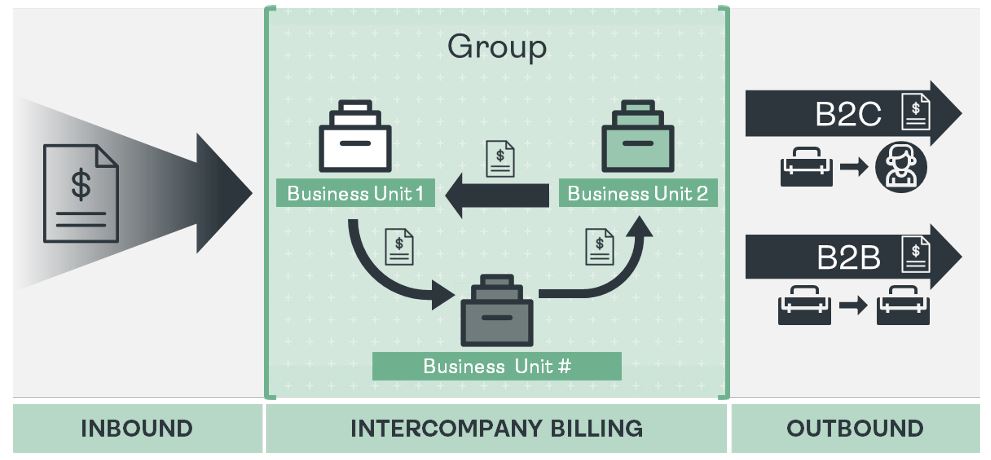
Image 1- Prioritizing Digital Transition of Invoice Streams
Adoption rates depend heavily on rollout methodology.
Opt-In Model
Voluntary adoption
Slower growth
1–30% digital penetration typically
Opt-Out Model
Electronic invoicing as default
Paper requires exception request
85–90% adoption achievable
For large UAE enterprises with strong purchasing power, opt-out strategies significantly accelerate adoption.
Overcoming Common Barriers in the UAE
| Barrier | Recommended Action |
| Lack of awareness | Conduct internal training and executive briefings |
| Supplier resistance | Offer flexible formats and free onboarding portals |
| Budget constraints | Adopt SaaS subscription models |
| Internal resistance | Secure executive sponsorship |
| Compliance confusion | Engage accredited consultants |
Success Factors for UAE E-Invoicing Implementation
- Executive-level sponsorship
- Dedicated project leadership
- Three-year phased roadmap
- High adoption onboarding strategy
- Clear internal and external communication
- Realistic technical assessment
- Avoid unnecessary custom development
E-invoicing must be positioned as a strategic transformation, not merely a tax requirement.
Frequently Asked Questions (FAQs)
Is UAE E-Invoicing mandatory?
The UAE is progressing toward structured digital reporting. Businesses should prepare for phased mandatory implementation aligned with VAT regulations.
Will SMEs be required to adopt e-invoicing?
Yes, although simplified tools like portals and hybrid PDF/XML invoices will likely be available.
Does UAE follow a CTC model?
The UAE is aligning with global CTC frameworks that emphasize real-time validation and digital submission.
Can businesses develop in-house solutions?
Technically possible, but third-party accredited providers are more cost-effective and compliant.
How long does implementation take?
Depending on complexity, 6–24 months for full enterprise transformation.
What is the biggest risk of delaying compliance?
Late adoption may result in rushed implementation, compliance penalties, and operational disruption.
Conclusion: The Time to Act Is Now
The UAE E-Invoicing guidelines represent more than regulatory reform—they signal a structural shift toward full Integrated Digital Trade. Businesses that adopt a proactive, strategic, and globally aligned approach will benefit from cost savings, compliance security, and operational excellence.
Waiting for mandates to become urgent is risky. The smart move is preparation, consolidation, and transformation—today.

Monish Mohan is a versatile and accomplished Auditor, VAT Consultant, Finance and Accounts Professional offering over 18 years of experience in UAE VAT, Audit & Assurance, Finance management Advisory & Accounting & bookkeeping.